Key Takeaways
- Condos typically offer stronger rental demand while landed homes may benefit from long-term land appreciation.
- More Malaysian families are moving beyond Kuala Lumpur in search of larger living spaces, greater privacy, and a better lifestyle balance.
- Rawang’s improving connectivity via major highways has made it a viable residential alternative to city-centre living.
For years, many people viewed prime condominiums in Kuala Lumpur as a relatively safe property investment. Their strategic locations, accessibility and proximity to business districts are the reasons why city-centre condos have remained attractive for long-term investment.
However, buyer preferences have gradually shifted in recent years. More Malaysians, especially young families, are now looking toward landed homes beyond the city centre.
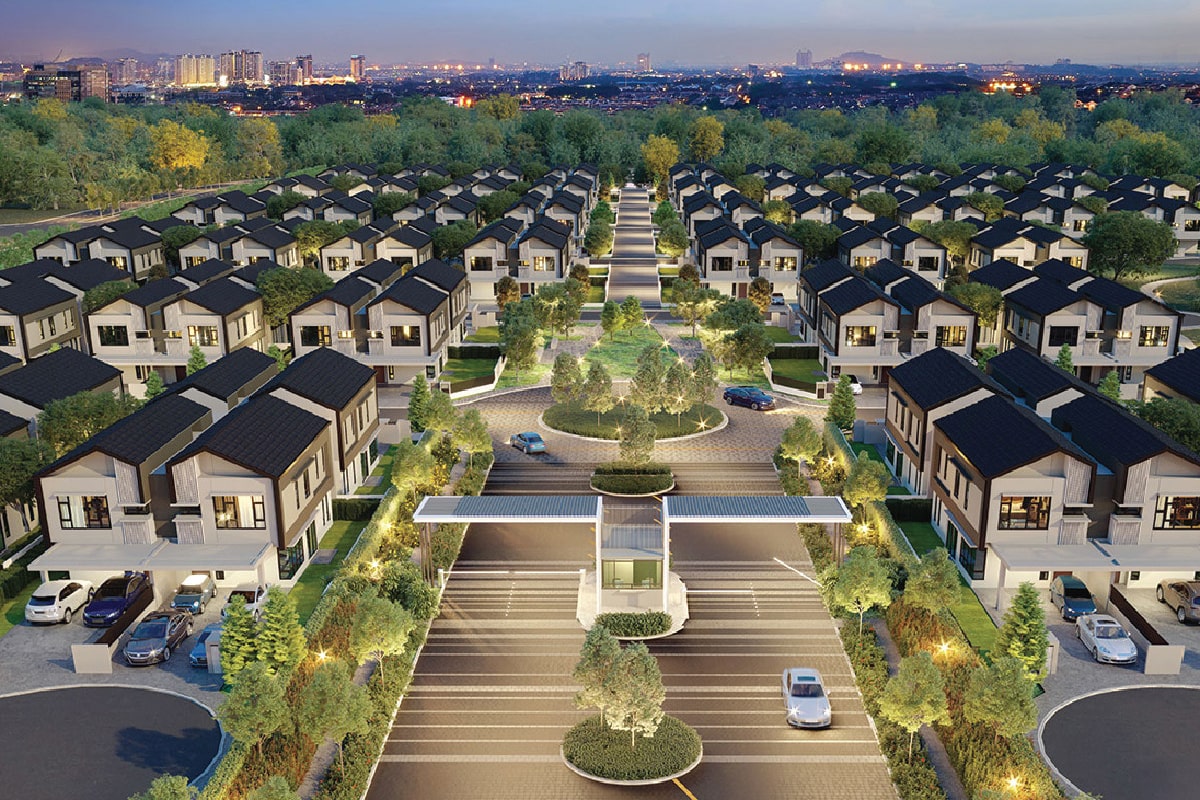
Rawang has emerged as attractive options due to its growing infrastructure, mature amenities and comparatively affordable freehold landed properties. So, can landed homes in Rawang outperform the long-term growth potential of prime condominiums in Kuala Lumpur?
Let’s take a closer look at the comparison.
Understanding the Difference Between Landed Homes and Condominiums
Freehold Landed Homes
Freehold landed homes provide perpetual ownership of both the property and the land it sits on. Owners generally enjoy greater flexibility in terms of renovations, extensions, and long-term inheritance planning.
In areas like Rawang, landed homes are also typically built within low-density residential environments that appeal to families seeking larger living spaces.
Prime Urban Condominiums
Prime condos in Kuala Lumpur are usually valued for their proximity to business districts, lifestyle amenities, and public transport connectivity. These properties may attract tenants more easily, particularly expatriates and young professionals.
However, many high-rise developments operate under strata ownership structures and may face increasing competition due to ongoing condominium supply in urban areas.
Why More Families Are Moving Outside Kuala Lumpur
Changing Lifestyle Priorities
Over the last few years, homebuyers have become more conscious of space, privacy, and liveability. Families with children often prioritise:
- Larger built-up sizes
- Extra rooms for remote work or study
- Outdoor areas
- Lower-density living environments
As a result, suburban growth corridors such as Rawang have become increasingly attractive to buyers seeking a balance between accessibility and lifestyle.
Improved Connectivity Supports Suburban Living
Rawang is no longer viewed as an isolated township. Connectivity through major highways such as PLUS, LATAR, and NKVE has significantly improved travel accessibility between Rawang and Kuala Lumpur.
For many buyers, the trade-off between commuting slightly further and owning a larger freehold landed home is becoming increasingly worthwhile.
Land Scarcity and Long-Term Value
Landed Homes Benefit From Limited Supply
One major difference between landed homes and condominiums lies in future supply.
High-rise developments can continue to be built vertically within urban areas. In contrast, landed residential land is finite, especially freehold land located within mature or strategically developing townships.
This limited supply may support stronger long-term value retention for landed homes over time.
The Role of Land Appreciation
A significant portion of a landed property’s value is tied to the land itself. As infrastructure, commercial activity, and population growth expand around an area, the land component may appreciate further.
For condominiums, the building structure itself forms a larger proportion of the asset value. Over time, ageing buildings, maintenance requirements, and competition from newer projects may affect buyer demand.
Ownership Flexibility and Long-Term Security
Freehold Ownership Offers Long-Term Peace of Mind
One reason many buyers prefer freehold landed homes is ownership permanence. Freehold properties do not carry lease expiry concerns that may arise with leasehold developments.
For homeowners planning multi-generational ownership or long-term asset retention, this may provide greater confidence and flexibility.
Greater Renovation Freedom
Owners of landed homes often have more flexibility to upgrade or extend their properties over time, subject to local authority approvals.
This allows homeowners to adapt the property according to changing family needs while potentially preserving the home’s market appeal over the years.
Rental Potential vs Long-Term Appreciation
Condominiums May Offer Stronger Short-Term Rental Demand
Prime condos located near commercial districts, MRT stations, or business hubs may generate relatively higher rental yields due to tenant demand.
This makes them attractive to investors focused primarily on rental income.
Landed Homes Often Appeal to Long-Term Occupiers
Freehold landed homes tend to attract owner-occupiers and families seeking stability rather than short-term tenants.
While rental yields may sometimes be lower compared to city condos, landed homes may benefit from stronger long-term equity growth due to land value appreciation and limited supply.
The Impact of Oversupply in Urban Condominium Markets
Certain metropolitan areas have experienced substantial condominium launches over the last decade. In highly competitive locations, this may lead to:
- Greater pricing competition
- Slower resale movement
- Rental pressure
- Difficulty differentiating older developments from newer projects
In comparison, established landed communities with limited future supply may face less direct competition over time.
Which Property Type Is Better for Long-Term Growth?
Prime Urban Condominiums
Prime urban condominiums are often favoured by investors seeking rental income. Their proximity to offices, business districts, public transport, and lifestyle amenities makes them attractive to working professionals, expatriates, and young adults.
Their long-term growth potential is often supported by factors such as:
- Continued urbanisation and population growth
- Ongoing demand from professionals working in city centres
- Strong public transport connectivity
- Access to established commercial and lifestyle hubs
Freehold Landed Homes
Freehold landed homes are typically more appealing to buyers focused on long-term ownership and capital appreciation. As families seek larger living spaces and land becomes increasingly scarce, demand for landed properties may continue to strengthen.
Their long-term growth potential is often supported by:
- Limited supply of landed residential land
- Growing demand from young and expanding families
- Greater ownership flexibility
- Long-term land value appreciation
- Freehold tenure that can be passed down across generations
The Verdict
For investors whose primary objective is rental income, prime urban condominiums may be the more suitable option.
However, for buyers seeking long-term capital appreciation, ownership security, and a property that can serve multiple generations, freehold landed homes may offer a stronger value proposition over time.
Final Thoughts
Both prime urban condominiums and freehold landed homes serve different market needs. However, there’s a rising appeal of landed homes outside of city centres due to shifting lifestyle preference, rising density in city centres and matured suburban.
For buyers seeking long-term ownership, greater living flexibility, and exposure to appreciating land value, freehold landed homes may present a compelling alternative to high-rise urban properties.
Property prices in emerging townships such as Rawang also remain relatively accessible compared to many prime urban locations. This allows buyers to secure larger homes and land ownership at a more attainable entry point.
Browse the latest developments by Hong Bee Land to find a property that aligns with your lifestyle and long-term investment goals.