Key Takeaways
- Leasehold properties in Rawang are generally priced significantly lower than comparable freehold properties, creating a more accessible entry point for buyers.
- Lower purchase prices can translate into smaller down payments, reduced monthly loan repayments and healthier monthly cash flow.
- Investors may benefit from stronger rental yield performance due to lower acquisition costs while maintaining competitive rental rates.
- Strategically located leasehold properties within proximity to KTM or MRT stations, mature townships and retail hubs can still maintain strong long-term demand.
Urban land scarcity has led to an increasing number of leasehold properties in Rawang. Unlike freehold properties, leasehold ownership limits the buyer’s right to occupy the land or building for a fixed period of time, without ever owning the property indefinitely.
Many first-time buyers and investors naturally question whether purchasing a leasehold property is the right decision. Concerns often revolve around long-term ownership, resale value and whether the property can still perform well financially over time.
The fact is, leasehold properties can still be a smart purchase when approached strategically. With a lower entry price, buying leasehold properties can work in your favour, especially if you allocate the savings for investments or better cash flow.
Freehold vs Leasehold Property Prices in 2026
Freehold properties in Rawang generally cost more than leasehold properties. According to Brickz data across multiple residential areas, the median price for freehold landed properties is around RM750,000.
In comparison, landed leasehold properties of similar types have a median price of approximately RM400,000. This price gap creates a more accessible entry point for many buyers while giving homeowners more financial flexibility from lower down payments and smaller monthly loan repayments.
For investors, the lower entry price also allows properties to be acquired at lower capital cost. Even when rental income remains comparable to nearby freehold properties, the lower purchase price can lead to better yield performance.
Freehold vs Leasehold Rental Yield Comparison
| Property Type | Purchase Price | Monthly Rent | Gross Rental Yield |
|---|---|---|---|
|
Freehold |
RM600,000
|
RM2,500
|
5.0% |
|
Leasehold |
RM480,000
|
RM2,500
|
6.25%
|
Leveraging the Purchase Discount into Monthly Cash
For both homeowners and investors, the lower purchase price of leasehold properties can create meaningful financial advantages. The savings gained from choosing a leasehold over a more expensive freehold property can be redirected into additional monthly cash flow.
This often translates into lower financial pressure during the early years of ownership. First-time buyers often have to manage monthly loans alongside daily living expenses. A lower property price helps to reduce your financial commitments for extra breathing room in your monthly budget.
For investors, the lower acquisition cost may also improve monthly holding power. Even when rental rates remain similar to nearby freehold properties, the smaller financing commitment can keep a healthy monthly cash flow and faster capital recovery.
Redirecting the Savings Toward Better Financial Growth
Choosing a leasehold property itself is already a financially strategic deal, as you can preserve more savings from the lower purchase price. These savings can be further redirected into investments instead of remaining idle in your bank account.
There are various investment options available depending on your financial goals and risk tolerance. Instruments that offer more stable and consistent annual returns are typically preferred, and these include:
- Mutual funds
- Stocks or REITs
- Fixed-income investments
- Retirement savings portfolios
As the returns compound over time, these funds may eventually help support other financial priorities, such as:
- Interior upgrades
- Renovations
- Furniture purchases
- Offsetting part of your monthly loan commitments
Gauging The Long-Term Value of Leasehold Properties
Many buyers worry that leasehold properties may lose value over time due to the limited ownership period. Concerns often revolve around depreciation, declining market appeal and the fear of eventually losing the property once the lease expires.
This uncertainty can create anxiety among buyers, especially those who plan to resell the property in the future. Many worry that future buyers may avoid leasehold homes altogether as the remaining tenure decreases.
Understanding When Leasehold Becomes a Concern
In reality, financing challenges usually become more noticeable only when the remaining lease tenure falls below approximately 60 years. This is because future buyers may receive shorter loan tenures from banks, which can affect affordability and resale demand.
Before reaching that stage, strategically located leasehold properties can still remain highly desirable, particularly in mature areas with strong infrastructure, public amenities and consistent demand.
Lease Renewal in Selangor
In Selangor, lease extension processes are generally administrative procedures rather than a complete ‘loss of ownership’ situation. Property owners may apply for lease renewals by paying a premium to the relevant authority.
For many owners, the renewal cost may ultimately represent only a fraction of the capital appreciation accumulated throughout the property’s ownership period.
For Investor Consideration: Modern Urban Living
One common misconception is that tenants prioritise land tenure when choosing where to live. In reality, rental demand is often driven more by convenience, accessibility and lifestyle rather than whether a property is freehold or leasehold.
A leasehold unit located near an MRT station, retail hub or mature township can often command rental rates comparable to nearby freehold properties because tenants usually prioritise factors such as:
- Commute convenience
- Nearby amenities
- School accessibility
- Lifestyle infrastructure
- Building condition and facilities
This creates a practical financial advantage for leasehold investors. Even when rental income remains similar, the lower acquisition cost of leasehold properties can result in stronger rental yields and healthier monthly cash flow.
The lower financing commitment may also help reduce repayment pressure, particularly during periods of higher interest rates.
The Reality of High-Density Urban Living
In high-density urban developments, the practical difference between freehold and leasehold titles can become less significant than many buyers expect.
In areas such as KLCC, Mont Kiara and Bangsar, buyers are often purchasing strata units within shared developments rather than standalone land ownership. In these environments, factors such as management quality, maintenance standards, connectivity and surrounding infrastructure frequently influence property demand more than tenure type alone.
For example, a leasehold condominium located directly beside an MRT station may ultimately outperform a freehold property with weaker accessibility and lower tenant demand.
As urban living becomes increasingly transit-oriented, location convenience continues playing a larger role in property performance than title status itself.
Investor’s Checklist: When Does Leasehold Become Worth It?
Remaining Lease Tenure
Price Gap
Location Growth Potential
Management Quality
Tenant Demand
Should You Choose Freehold or Leasehold?
Both freehold and leasehold properties can be financially worthwhile depending on your goals and priorities. However, choosing between the two should ultimately depend on your long-term financial plans, lifestyle needs and investment strategy.
Freehold properties may offer stronger advantages for buyers looking for:
- Long-term inheritance
- Permanent ownership
- Land scarcity appreciation
- Multi-generational holding strategies
Meanwhile, leasehold properties may appeal more to buyers who prioritise:
- Lower entry costs
- Better monthly cash flow
- Stronger rental yield potential
- Faster portfolio growth
- Earlier property ownership in strategic locations
Final Thoughts
The debate between freehold and leasehold properties is often oversimplified. A freehold title does not automatically guarantee stronger investment performance, just as a leasehold does not automatically make a property financially weak.
In many cases, the smarter financial decision depends on how well the property aligns with your lifestyle needs, cash flow priorities and long-term financial goals.
For buyers and investors who approach the market strategically, the leasehold price gap may not be a disadvantage at all. Instead, it can become an opportunity to gain earlier property access, preserve monthly cash flow, improve rental yield potential and create greater financial flexibility overall.
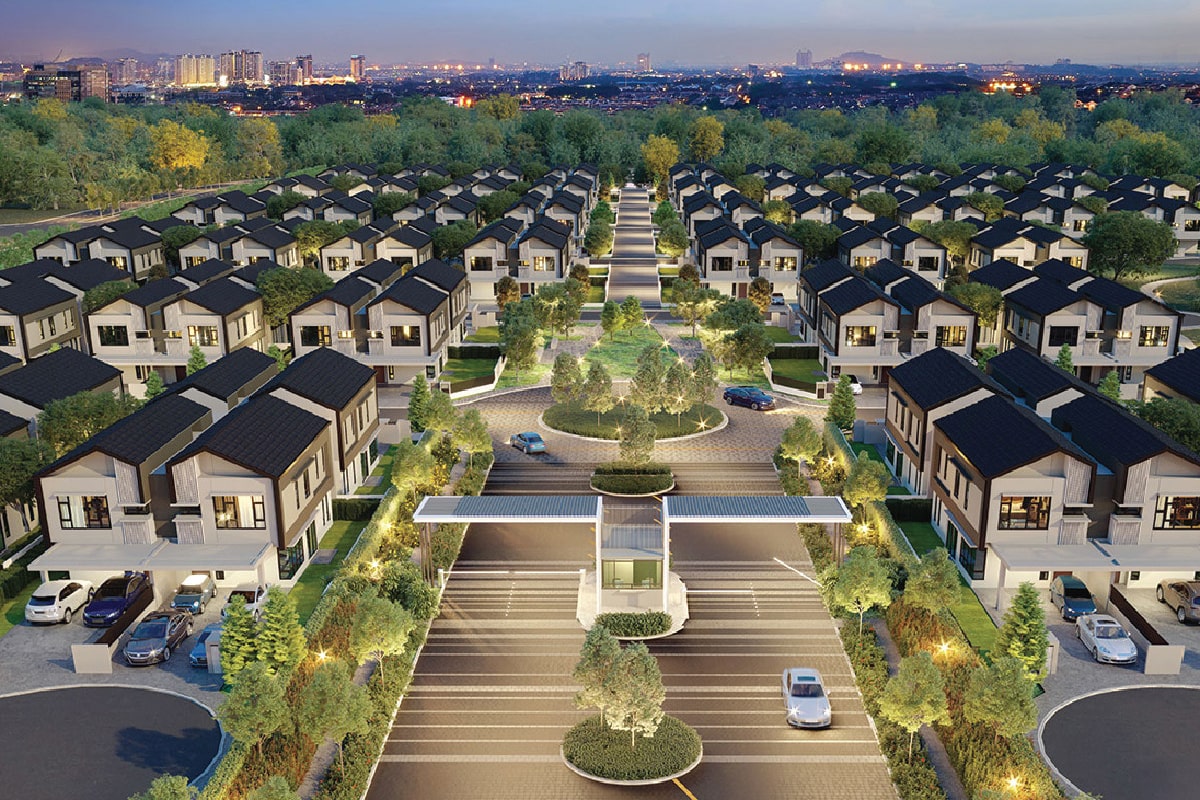
If you are currently exploring your next home in Rawang, Templer Residence offers both freehold and leasehold property options to suit different financial goals and ownership preferences.